Introduction to Deep Sky Objects
What Are Deep Sky Objects?
Deep Sky Objects (DSOs) are celestial objects beyond our solar system that appear as faint, fuzzy patches rather than point-like stars. They represent some of the most spectacular and scientifically important targets for amateur astronomers.
Types of Deep Sky Objects
Star Clusters
Collections of stars bound together by gravity
Open Clusters
- Young star groups (millions to billions of years old)
- 100 to 1,000 stars typically
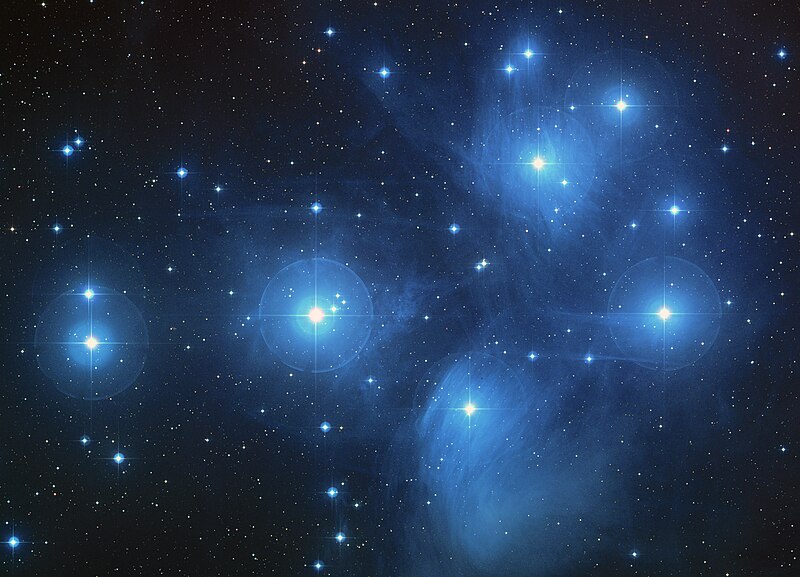
- Examples: Pleiades (M45), Hyades, Beehive Cluster (M44)
- Appearance: Loose groupings of bright stars
Globular Clusters
- Ancient star cities (10+ billion years old)
- 100,000 to 1 million stars in a tight sphere
- Examples: Hercules Cluster (M13), Omega Centauri
- Appearance: Dense, spherical concentrations

Nebulae
Clouds of gas and dust in space
Emission Nebulae
- Glowing gas clouds energized by nearby hot stars
- Red/pink color from hydrogen emission
- Examples: Orion Nebula (M42), Lagoon Nebula (M8)
- Star formation regions


Reflection Nebulae
- Dust clouds reflecting starlight
- Blue color (shorter wavelengths scatter more)
- Example: Parts of the Pleiades nebulosity
Planetary Nebulae
- NOT related to planets! (historical misnaming)
- Dying star's expelled outer layers
- Examples: Ring Nebula (M57), Dumbbell Nebula (M27)
- Often circular or ring-shaped

Dark Nebulae
- Dense dust clouds blocking background light
- Examples: Horsehead Nebula, Coalsack Nebula
- Silhouettes against bright backgrounds
Galaxies
Island universes of billions of stars
Spiral Galaxies
- Distinctive spiral arms containing young, hot stars
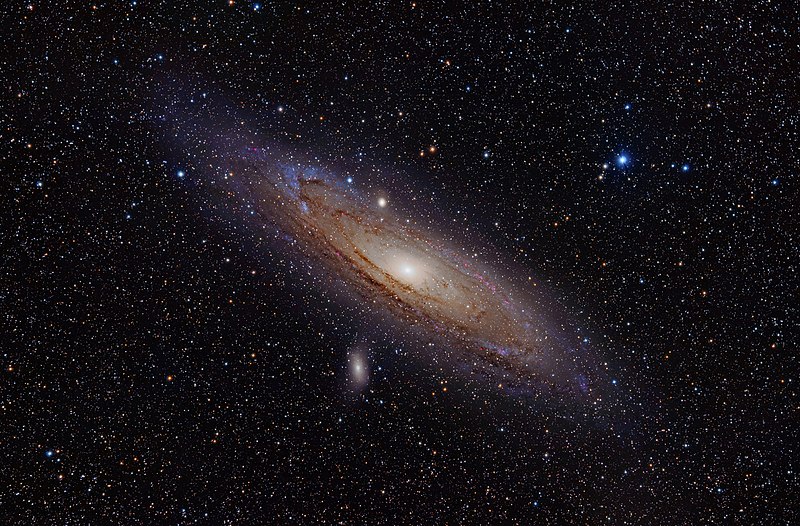
- Examples: Andromeda Galaxy (M31), Whirlpool Galaxy (M51)
- Our Milky Way is also a spiral galaxy

Elliptical Galaxies
- Smooth, oval shapes without spiral structure
- Mostly older, redder stars
- Range from nearly spherical to very elongated
Irregular Galaxies
- No defined shape due to gravitational interactions
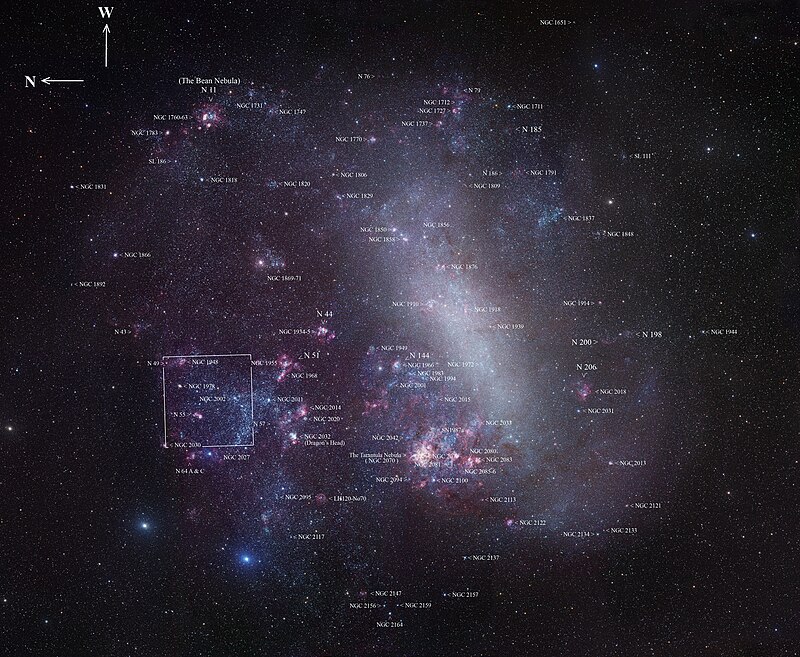
- Examples: Large/Small Magellanic Clouds
- Often rich in gas and active star formation
Observing Deep Sky Objects
Visual Observation
Naked Eye DSOs:
- Andromeda Galaxy (M31) - faint fuzzy patch
- Pleiades (M45) - obvious star cluster
- Large Magellanic Cloud - from Southern Hemisphere
- Milky Way core - on dark nights
Binocular Targets:
- Open clusters show individual stars
- Bright nebulae appear as hazy patches
- Galaxy cores visible as fuzzy stars
Telescopic Views:
- Spiral structure in galaxies (larger scopes)
- Nebula details and colors
- Globular cluster resolution into individual stars
From Guyana's Perspective
Advantages:
- Low latitude (6°N) provides access to both hemispheres
- Southern sky gems: Magellanic Clouds, Eta Carinae Nebula, Omega Centauri
- Milky Way center passes overhead (best views May-August)


Seasonal Highlights:
December-February: Orion region nebulae, winter clusters March-May: Leo galaxy region, spring clusters June-August: Sagittarius region (Milky Way core), summer nebulae September-November: Cassiopeia clusters, autumn galaxies
Catalogs and Designations
Messier Catalog (M)
- 110 objects compiled by Charles Messier (18th century)
- "Comet hunter's list" of non-cometary objects
- Examples: M31 (Andromeda), M42 (Orion Nebula)
- Best starting point for beginners
New General Catalog (NGC)
- 7,840+ objects compiled by John Dreyer (1888)
- More comprehensive than Messier
- Examples: NGC 253 (Sculptor Galaxy)
Index Catalog (IC)
- Supplement to NGC with 5,386 additional objects
- Examples: IC 434 (Horsehead Nebula region)
Connection to Sky Tonight
Our Sky Tonight section tracks DSO visibility by calculating:
- Rising and setting times for each object
- Optimal viewing periods when objects are highest
- Moon phase considerations (dark skies needed)
- Seasonal availability from Guyana
Current DSO Highlights
Check Sky Tonight for:
- Tonight's best DSOs above 30° altitude
- Peak viewing times for specific objects
- Moon-free observation windows
- Equipment recommendations for each target
Observation Planning
Best Conditions
- New Moon ± 3 days (darkest skies)
- High altitude (object >30° above horizon)
- Minimal light pollution
- Good atmospheric stability
Equipment Guide
Naked Eye (Magnitude limit ~6.5):
- Andromeda Galaxy
- Pleiades
- Large Magellanic Cloud
- Milky Way structure
Binoculars (7x50 or 10x50):
- Most Messier objects visible
- Open clusters resolved
- Bright galaxies and nebulae
Small Telescope (4-6 inch):
- Spiral structure in bright galaxies
- Planetary nebula disks
- Globular cluster edges resolved
- Faint nebulosity
Larger Telescope (8+ inch):
- Galaxy spiral arms and dust lanes
- Nebula structure and colors
- Globular clusters fully resolved
- Fainter deep sky objects
Astrophotography Targets
Beginner Targets
- Orion Nebula - bright and forgiving
- Pleiades - shows reflection nebulae
- Andromeda Galaxy - large and bright
Intermediate Targets
- Whirlpool Galaxy - shows spiral structure
- Ring Nebula - planetary nebula
- Hercules Cluster - globular cluster
Advanced Targets
- Horsehead Nebula - requires dark skies
- Rosette Nebula - emission nebula
- Leo Triplet - multiple galaxies
Scientific Significance
Star Formation
- Nebulae show where new stars are born
- Open clusters represent recent star formation
- Globular clusters are stellar fossils
Galactic Structure
- Spiral galaxies show ongoing evolution
- Galaxy interactions reveal gravitational effects
- Dark matter influences galaxy shapes
Stellar Evolution
- Planetary nebulae show how stars like our Sun end
- Supernova remnants show massive star deaths
- Different stellar populations reveal galaxy history
Observation Tips
Finding Objects
- Start with bright Messier objects
- Use star charts or astronomy apps
- Star-hop from bright stars to target
- Allow eyes to dark-adapt (20-30 minutes)
What to Look For
- Overall shape and size
- Brightness variations within the object
- Color hints (often subtle visually)
- Surrounding star field
Sketching and Recording
- Note date, time, location
- Record equipment used
- Sketch what you see (trains observation)
- Compare with photographs later
Next Steps
Understanding DSOs prepares you for:
- Systematic observation programs
- Astrophotography planning
- Understanding stellar evolution
- Appreciating cosmic scales
Try This: Start with the Orion Nebula (M42) visible in our evening sky from December to April. Use our Sky Tonight section to find the best viewing time, then observe with binoculars or a small telescope. Notice the trapezium of four bright stars at its heart!